Requirements
Hardware
In order to use the ICOtronic system you need at least:
a PCAN adapter (or another CAN adapter supported by
python-can):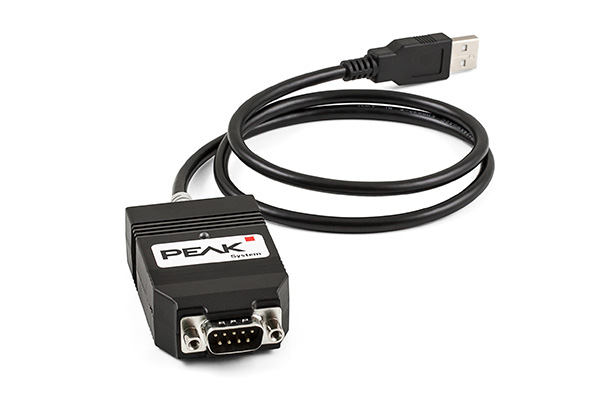
including:
power injector, and
power supply unit (for the power injector):
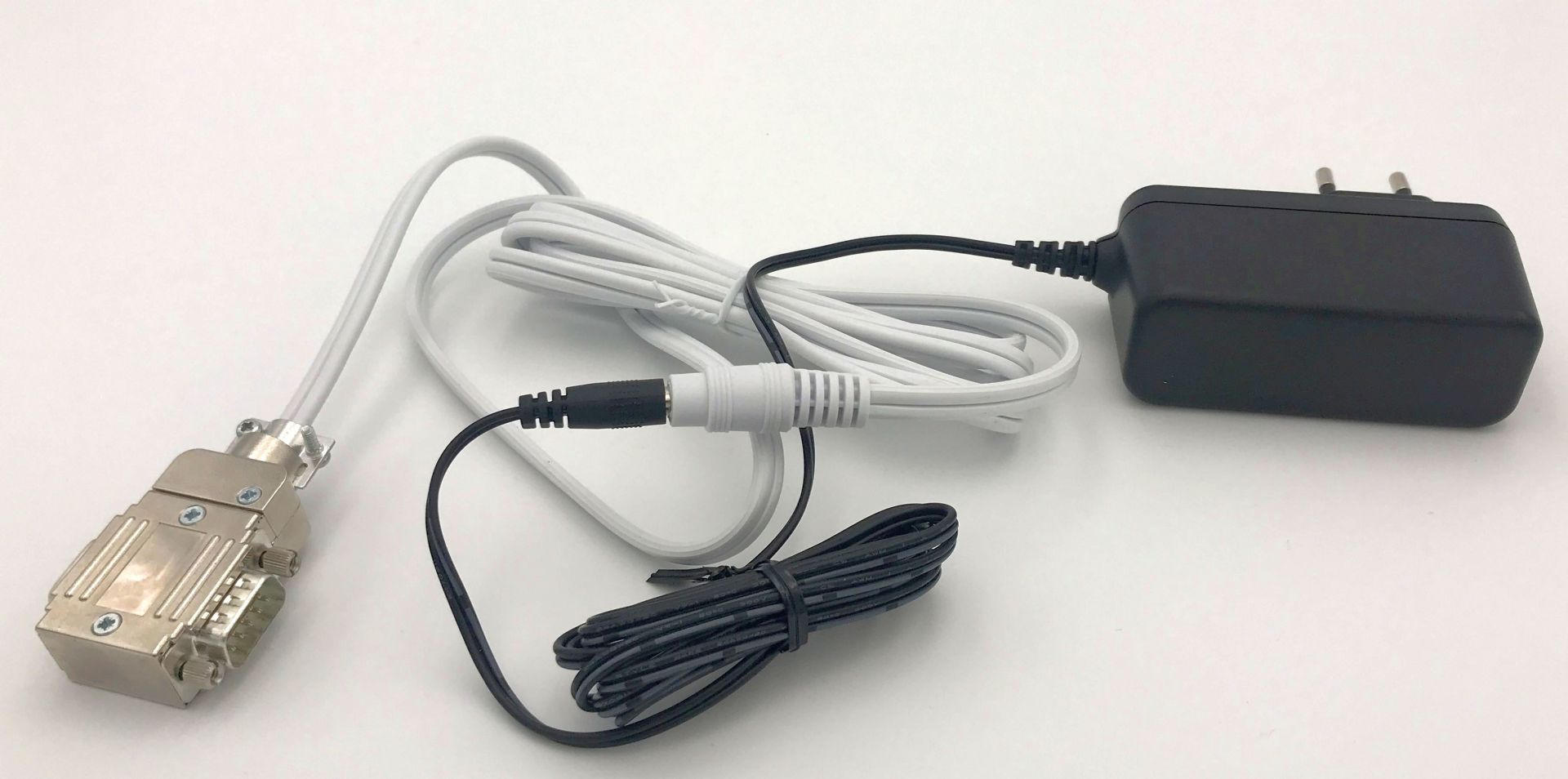
Note: Other CAN adapters supported by python-can should work as well. However, you need to update the configuration for the CAN connection accordingly.
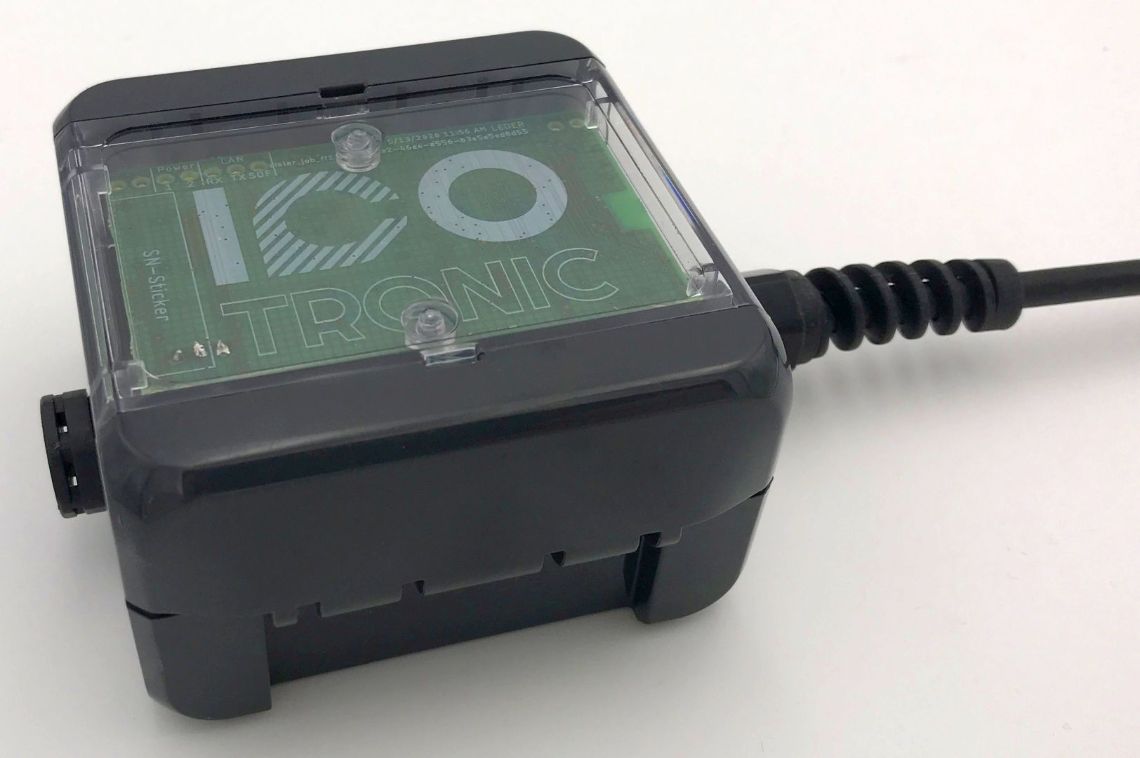
a Stationary Transceiver Unit:
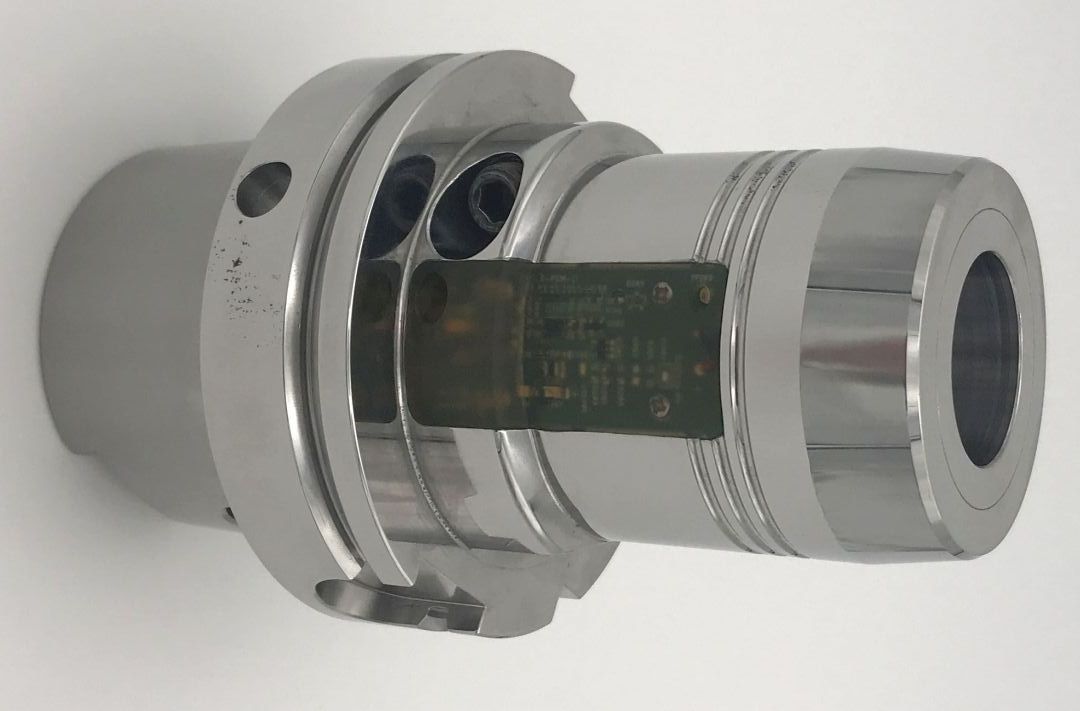
a sensor node, such as a Sensory Tool Holder:
Setup
Connect the power injector
to the PCAN adapter, and
the power supply unit.
Connect the USB connector of the PCAN adapter to your computer.
Make sure that your sensor node (SHA/STH/SMH) is connected to a power source. For an STH this usually means that you should check that the battery is (fully) charged.
Software
Python
For the currently supported Python versions, please take a look the “Meta” section of the ICOtronic package on the Python Package Index (PyPI). We recommend you use a current 64-bit version of Python.
You can download Python here. When you install the software, please do not forget to enable the checkbox “Add Python to PATH” in the setup window of the installer.
PCAN Driver
To communicate with the STU you need a driver that works with the PCAN adapter. The text below describes how to install/enable this driver on
Linux
You need to make sure that your CAN adapter is available via the SocketCAN interface.
The following steps describe one possible option to configure the CAN interface on (Fedora, Ubuntu) Linux manually.
Connect the CAN adapter to the computer that runs Linux (or alternatively a Linux VM)
Check the list of available interfaces:
networkctl listThe command output should list the CAN interface with the name
can0Configure the CAN interface with the following command:
sudo ip link set can0 type can bitrate 1000000
Bring up the CAN interface
sudo ip link set can0 up
You can also configure the CAN interface automatically. For that purpose please store the following text:
[Unit]
description=Set default CAN adapter speed

[Match]
Name=can*

[CAN]
BitRate=1000000
in a file called /etc/systemd/network/80-can.network. Afterwards enable networkd and reload the configuration with the commands:
sudo systemctl enable systemd-networkd
sudo systemctl restart systemd-networkd
# Note: The command `networkctl reload` only works in systemd 244 or newer
sudo networkctl reload || sudo systemctl reload systemd-networkd
You can check the status of the CAN connection with the command:
networkctl list
If everything works as expected, then the output of the command should look similar to the text below:
IDX LINK   TYPE     OPERATIONAL SETUP
  …
  7 can0   can      carrier     configured
For a more detailed output use the command networkctl status <CAN_ID>, where <CAN_ID> is the identifier of the CAN adapter, usually this will be can0:
networkctl status can0
For a working CAN adapter this command should print something like the following:
● 7: can0
               Link File: /usr/lib/systemd/network/73-usb-net-by-mac.link
            Network File: /etc/systemd/network/80-can.network
                   State: carrier (configured)
            Online state: offline
                    Type: can
                    Kind: can
                    Path: pci-0000:00:14.0-usb-0:3.4.3:1.0
                  Driver: peak_usb
                  Vendor: PEAK System
                   Model: PCAN-USB_FD
                     MTU: 16
                   QDisc: pfifo_fast
Number of Queues (Tx/Rx): 1/1
       Activation Policy: up
     Required For Online: yes

May 20 11:33:48 Erdbeermus systemd-networkd[1207]: can0: Configuring with /etc/systemd/network/80-can.network.
May 20 11:33:48 Erdbeermus systemd-networkd[1207]: can0: Link UP
May 20 11:33:48 Erdbeermus systemd-networkd[1207]: can0: Gained carrier
Sources:
Debugging
Note: Please replace <device> in the text below with the identifier of your CAN device, e.g. can0.
To determine the status of the SocketCAN connection use the following command:
ip -details link show <device>
To “reset” your CAN connection, restart systemd-networkd:
sudo systemctl restart systemd-networkd
macOS
On macOS you can use the PCBUSB library to add support for the PCAN adapter. For more information on how to install this library, please take a look at the issue “How to install the PCBUSB-Library on Mac”.
Windows
You can find the download link for the PCAN Windows driver here. Please make sure that you include the “PCAN-Basic API” when you install the software.